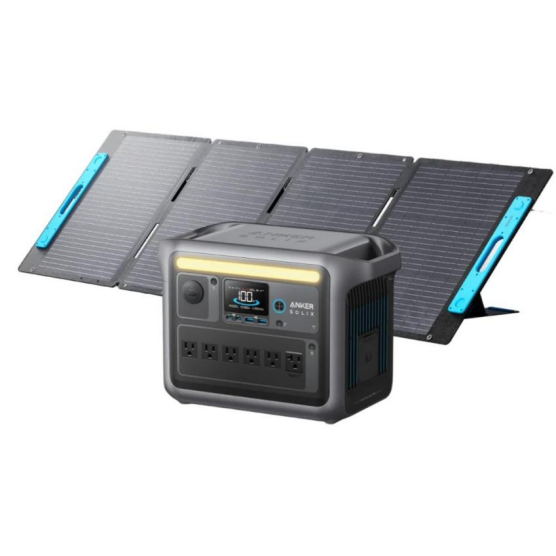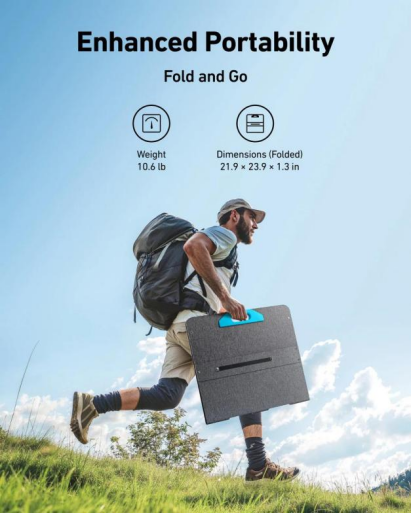
As power outages become more frequent and electricity costs continue to rise, many homeowners are exploring alternatives to traditional gas generators. Solar generators have quickly gained attention for their clean, quiet operation and long-term value. But one question comes up again and again: can a solar generator actually run an entire house? The answer depends on system size, energy usage, and how the generator is configured. Understanding these factors helps clarify what’s realistic—and what’s possible.
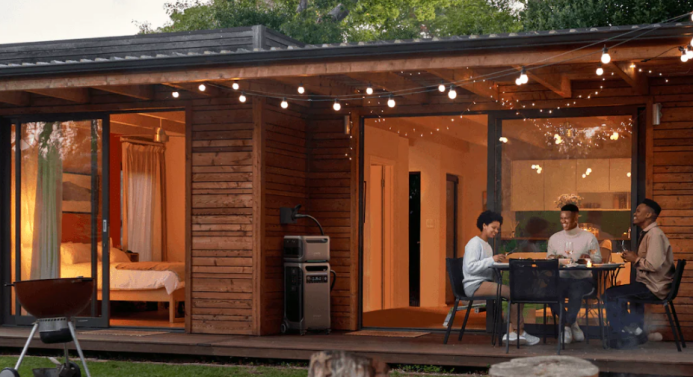
Key Factors of Solar Generator to Power Your Whole House
Running an entire home on a solar generator is achievable, but only with the right combination of power output, battery capacity, and energy management.
Power Output and Voltage Capability
The first requirement for whole-house operation is sufficient power output. Most homes need both 120V and 240V electricity to run major appliances like HVAC systems, water heaters, dryers, and well pumps. Not all solar generators support this. A good solar powered whole house generator provides split-phase 120V/240V output, allowing it to handle power-hungry appliances. For example, high-capacity systems such as the Anker SOLIX F3800 are designed to deliver strong continuous output suitable for whole-home loads.
Battery Capacity and Runtime
Powering a house isn’t just about watts—it’s also about how long that power lasts. Battery capacity is measured in kilowatt-hours (kWh) and determines runtime during outages or overnight use. Small solar generators may run essential devices for a few hours, while whole-house systems require significantly more storage. Expandable systems allow homeowners to scale capacity from a few kWh to several dozen kWh, supporting extended outages without constant load shedding.
Solar Input and Recharging Speed
A solar generator’s ability to recharge efficiently is critical for whole-house use. High solar input allows batteries to refill quickly during daylight hours, reducing downtime. Systems that support large solar arrays can recharge from sunlight in just a few hours under optimal conditions. This continuous energy loop—solar panels charging batteries while appliances run—makes long-term off-grid or outage operation possible.
Home Integration with Transfer Switches
To safely power an entire home, solar generators must be integrated through a transfer switch or smart home power panel. This setup isolates the home from the grid during outages and directs power where it’s needed. Smart panels can also prioritize essential circuits, ensuring critical appliances stay powered while managing overall load. Plug-and-play home backup kits simplify this process and eliminate the need for complex rewiring.
Energy Management and Load Prioritization
Even with a powerful system, energy management plays a key role. Running every appliance simultaneously may not be practical, especially during extended outages. Smart energy controls allow homeowners to monitor usage, shift loads, and prioritize critical circuits. Many modern solar generators include app-based monitoring that shows real-time consumption and battery status, making it easier to balance comfort and efficiency.
Daily Energy Use vs. Emergency Use
Some solar generators are designed strictly for emergencies, while others support daily energy optimization. Whole-house solar generators can store solar energy during the day and use it during peak utility pricing hours, reducing electricity bills. This dual-purpose functionality increases overall value and ensures the system is used year-round, not just during outages.
Home Size and Lifestyle Factors
Whether a solar generator can run your entire house also depends on your home’s size and lifestyle. Smaller homes with energy-efficient appliances require less power than large homes with electric heating or multiple EVs. Conducting a basic energy audit helps determine the system size needed for full coverage.
Conclusion
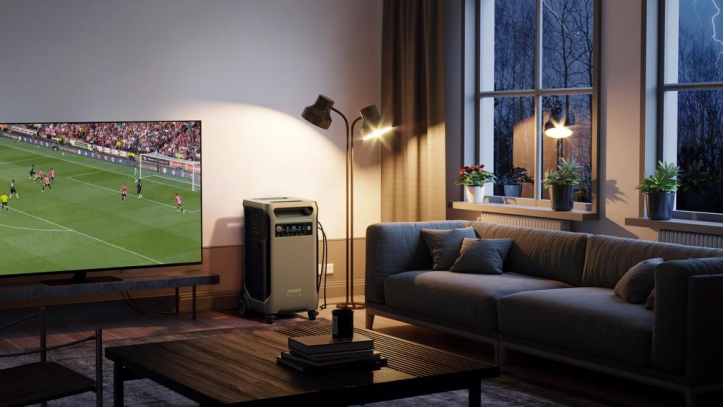
So, a solar generator can run your entire house, but only if it’s designed for whole-home use and properly sized for your energy needs. High output, large battery capacity, strong solar input, and smart home integration all play essential roles. Systems like Anker SOLIX whole-house solutions show how solar generators have evolved beyond emergency tools into full energy systems. For homeowners seeking resilience, sustainability, and energy independence, a whole-house solar generator is an increasingly realistic solution.
Visited 1 times, 1 visit(s) today