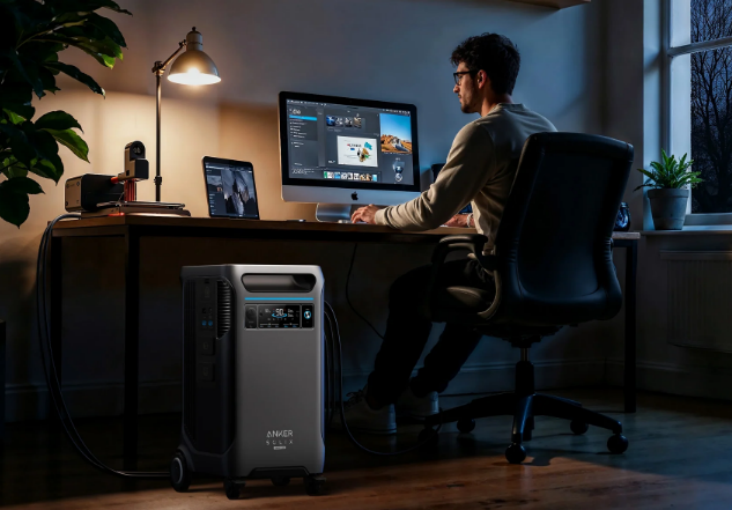
Reliable electricity is one of the most important foundations of a productive workshop, whether it is used for woodworking, repairs, or creative projects. When a workspace is far from the grid, traditional extension lines or fuel generators may not be practical or convenient. Solar power systems paired with battery storage are becoming a realistic alternative for many small workshop setups. These systems can store energy during the day and deliver steady power when tools and lights are needed. Understanding how equipment demands match with solar capabilities is the key to making the setup both efficient and dependable. In this article, the practical considerations for powering a remote workshop with a solar pack will be explained in clear, everyday terms.
1. Understanding Workshop Power Requirements
Continuous Load vs. Peak Load: The Critical Difference
Workshop tools do not all use power in the same way, and recognizing this difference helps prevent system overload. Continuous load refers to devices that draw steady power over time, such as lights, ventilation fans, or battery chargers. Peak load, on the other hand, occurs when tools like saws or air compressors briefly demand much higher power when starting up. Solar battery systems must be sized to handle both steady use and short surges without shutting down. Ignoring peak demand can lead to tripped protection circuits and interrupted work sessions. Careful planning ensures tools operate smoothly without stressing the system.
Calculating Daily Energy Consumption for Your Workflow
Energy planning starts with estimating how long each tool runs during a normal day. A drill used for ten minutes consumes far less energy than a sander running for hours. Listing devices and their wattage ratings makes it easier to calculate total daily watt-hours. This number helps determine how large a battery pack should be for consistent performance. Adding a small buffer allows for unexpected usage or cloudy weather. Realistic estimates prevent underpowered systems and improve reliability.
2. Solar System Components for Workshop Applications
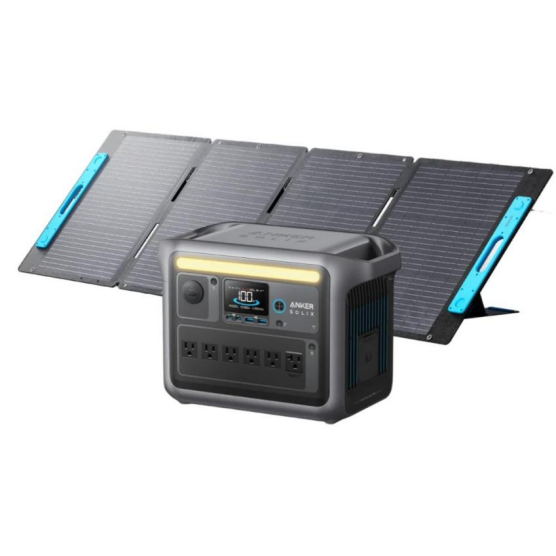
A complete workshop solar setup includes solar panels, a battery pack, and the right cables and connectors to link everything safely. Panels collect energy during daylight hours, while the battery stores that energy for use when tools are needed. The battery unit must offer enough output power to handle workshop equipment without voltage drops. Models built with durable battery chemistry and stable power delivery are especially helpful when tools start and stop frequently throughout the day. Some portable systems, such as the anker solix solar energy bank, are designed to coordinate smoothly with panels while providing consistent output suited for mixed tool use. This kind of integrated design simplifies setup and makes it easier to balance energy collection with real workshop demands.
3. Practical Implementation Strategies
Tool Scheduling to Manage Peak Power Demands
Running several high-wattage tools at the same time can strain even a well-sized solar battery system. Staggering tool use helps keep total power demand within safe limits. For example, cutting tasks can be completed before switching to sanding or drilling. Planning workflows in stages reduces the chance of overload and extends battery runtime. This approach also allows the battery to recover between heavy loads. Thoughtful scheduling supports smoother operation and longer equipment life.
Energy Optimization Techniques for Maximum Efficiency
Improving efficiency reduces how much stored energy is needed each day. Using LED lighting instead of older bulbs can significantly cut power use. Keeping tools well maintained also improves performance and reduces wasted energy. Charging cordless tool batteries during sunny hours makes better use of direct solar input. Turning off idle equipment prevents unnecessary drain. Small adjustments like these add up to meaningful energy savings over time.
4. Case Studies: Real-World Workshop Setups
Woodworking Shop with Intermittent Tool Use
A small woodworking shop often uses tools in short, powerful bursts rather than continuously. Saws, planers, and sanders may run for only a few minutes at a time. This pattern works well with a battery system that can handle brief surges. Energy collected during the day can cover multiple short work sessions. Adequate storage ensures lights and dust collection can run between heavy tool uses. This balance makes solar a practical option for hobby and light professional work.
Electronics Bench with Continuous Low-Power Needs
An electronics workbench typically has lower but steadier energy requirements. Soldering irons, test equipment, and task lighting often run for longer periods. These devices benefit from stable, continuous output rather than high surge capacity. A moderate-sized battery can support many hours of careful bench work. Solar panels replenish energy quietly during daylight. This setup suits remote technical work where silence and reliability are priorities.
5. Economic and Operational Considerations
Initial Investment vs. Long-Term Fuel Savings
Solar workshop systems often require a higher upfront cost compared to small fuel generators. However, sunlight is free, which reduces ongoing operating expenses. Over time, savings on fuel and maintenance can balance the initial investment. Quiet operation is another advantage, especially in shared or rural environments. Reduced dependence on fuel deliveries adds convenience. Long-term value becomes clearer with regular use.
Maintenance Requirements and System Lifespan
Solar panels require minimal maintenance beyond occasional cleaning to remove dust. Battery packs are typically sealed and designed for years of use under normal conditions. Choosing systems with long cycle life improves overall durability. Proper storage and avoiding extreme temperatures also extend lifespan. Reliable components reduce downtime and repair costs. With basic care, a solar workshop system can remain dependable for many years.
Conclusion
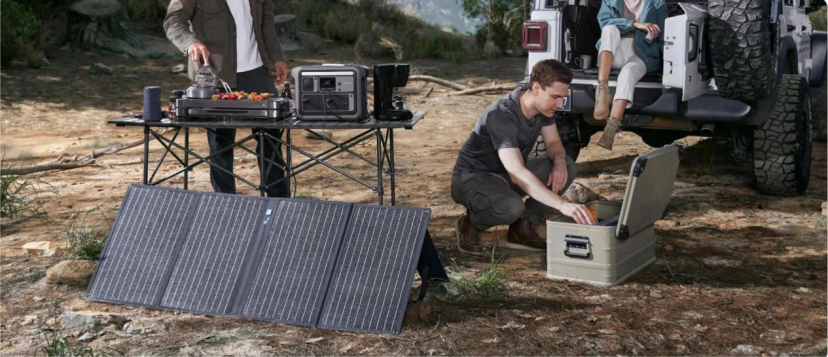
Powering a remote workshop with solar energy is increasingly realistic for many practical setups. Matching tool demands with battery capacity and output capability is the foundation of success. Efficient work habits and smart scheduling help make the most of stored energy. Durable components and thoughtful system design support reliable daily operation. Well-matched systems, including options like the anker solix solar battery pack, show how portable solar storage can meet the mixed demands of real workshop environments. Careful planning turns solar power into a dependable partner for productive off-grid workspaces.
Visited 1 times, 1 visit(s) today