
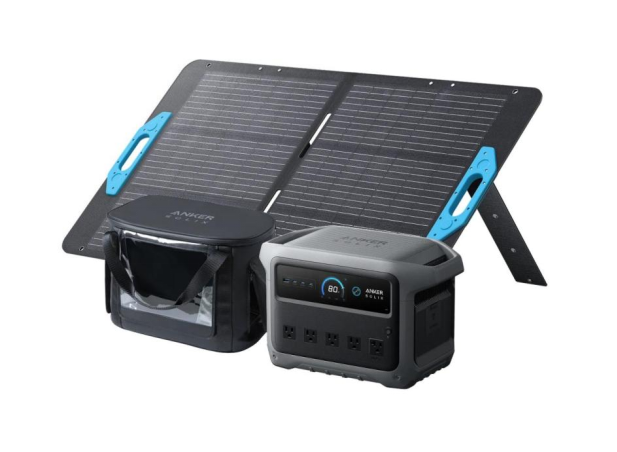
Solar generators interact with nature every day, which makes seasonal changes one of the biggest factors shaping real-world performance. Users notice shifts in sunlight hours, cloud cover, temperature, and energy habits as the seasons rotate. These variations influence how people charge, store, and use solar energy at home and outdoors. A well-designed system, such as the Anker SOLIX C1000 Gen 2 paired with a PS100 solar panel and water-resistant bag, adapts smoothly to these fluctuations through efficient charging, durable construction, and stable output. Understanding how solar generators respond to seasonal patterns helps users plan more effectively and gain consistent value throughout the year.
How Seasonal Conditions Influence Charging, Usage, and Performance
Sunlight Availability Drives Major Changes in Charging Behavior
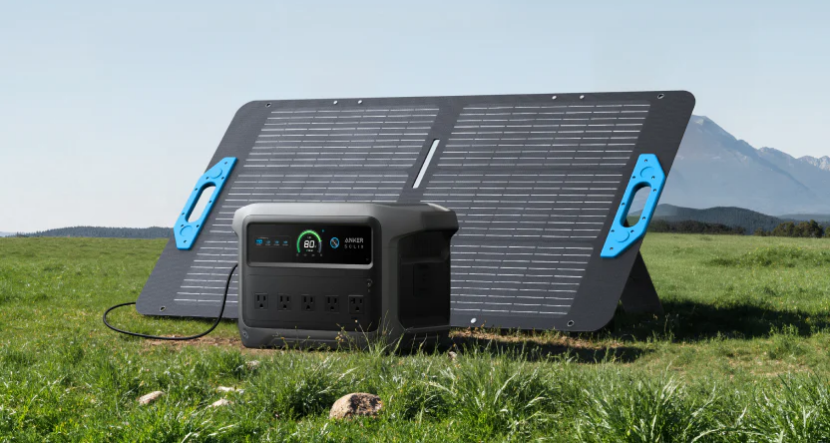
Seasonal shifts in daylight length directly affect solar charging strategies. In summer months, users enjoy longer days, stronger sunlight, and frequent opportunities for full-panel exposure. This often encourages expanded use—running outdoor appliances, powering garden tools, or supporting weekend road trips. A panel like the PS100, with its 23% conversion efficiency, captures more energy even during shorter winter days, but user habits still change. In colder seasons, people position panels more carefully, adjust angles deliberately, and take advantage of morning and midday sun. A generator with strong recharging flexibility, including the C1000 Gen 2’s ability to fully recharge in 1.8 hours under 600W solar input, helps offset seasonal variability and gives users predictable power regardless of the month.
Temperature Patterns Affect Battery Management and Output Planning
Temperature is another seasonal factor that shapes how users operate their solar setups. Hot weather increases device consumption—fans, coolers, and outdoor entertainment gear—while cold weather adds load from heated blankets or small warming devices. Solar generators that maintain stable performance across wide temperature ranges, such as the C1000 Gen 2’s −4°F to 104°F discharge capability, allow users to continue powering essential tools without adjusting routines significantly. People also shift where they store or place the unit depending on the season. In winter, users tend to keep their generator indoors or in insulated areas; in summer, they move it into shaded spaces to prevent heat buildup. Seasonal temperatures drive practical decisions that directly influence how people rely on stored solar energy.
Seasonal Activities Redefine How Users Apply Solar Power
Seasonal living patterns determine how often users pull energy from their solar generator. Spring hiking trips and backyard gatherings rely on portable recharging; summer demands more outdoor power for cooking, lighting, and camping; autumn introduces storm preparedness; and winter increases dependence on backup energy for small heaters, lights, and emergency tools. The C1000 Gen 2’s compact design and water-resistant bag allow users to transition easily between these scenarios. With its 2,000W output across 10 ports, the generator supports a spectrum of devices that shift with seasonal lifestyles—from summer projectors to winter routers. Over time, users discover that seasonal routines are closely tied to how they allocate stored solar energy.
Why Versatility Matters When Solar Generators Meet Four Distinct Seasons
Adaptable Charging Methods Provide Year-Round Flexibility
Seasonal changes make multi-mode charging valuable. When sunlight is abundant, users rely primarily on the PS100 panel to maintain energy independence. During cloudy weeks or winter storms, fast AC recharging—such as the C1000 Gen 2’s 49-minute HyperFlash capability—becomes essential. This combination prevents seasonal downtime and helps users sustain consistent power availability. The ability to switch charging modes quickly ensures that the system performs reliably, whether users experience long summer days or short winter afternoons. A solar power generator for home becomes more practical when it adapts to changing seasonal charging conditions without demanding extra effort.
Durability Protects the System Against Seasonal Weather Challenges
Outdoor power equipment must withstand shifting weather patterns. Rain, snow, frost, dust, and intense sun all affect how users handle and transport their panels. The PS100 panel’s IP67 waterproof rating allows it to remain functional in wet conditions, while its rugged build protects against early wear. Meanwhile, the water-resistant bag helps safeguard the C1000 Gen 2 during transport between seasonal environments—campgrounds in summer, garages in autumn, cabins in winter, and outdoor workshops in spring. Users appreciate the freedom to use their setup without worrying about unexpected weather changes.
User Routines Evolve as Seasonal Energy Needs Shift
Solar generator use is not static—seasonal energy patterns shape long-term habits. Summer encourages more off-grid usage, which leads users to rely more on solar input and less on AC charging. Winter increases indoor power needs, making stored energy more valuable during outages. Storm seasons heighten the importance of the generator’s UPS function, and transitional seasons like autumn create opportunities for mixed indoor-outdoor use. The C1000 Gen 2’s mix of portability, strong capacity, and stable output allows users to adjust their energy habits naturally across the year. Over time, the generator becomes an adaptable part of their seasonal routine, similar to adjusting clothing, home setup, or transportation.
Conclusion
Solar generators adapt to seasonal changes by responding to fluctuations in sunlight, temperature, weather, and user needs. Their real-world performance depends on how efficiently they capture energy during long summer days, how reliably they operate in extreme temperatures, and how flexibly they shift between solar and AC recharging. The Anker SOLIX C1000 Gen 2 with the PS100 panel demonstrates how thoughtful design supports year-round use, from fast solar recovery to durable outdoor handling and strong indoor backup capabilities. As users move through the seasons, they discover that a versatile solar generator becomes not just a seasonal tool but a dependable, all-year energy partner that adapts naturally to changing routines and environmental conditions.
Visited 1 times, 1 visit(s) today