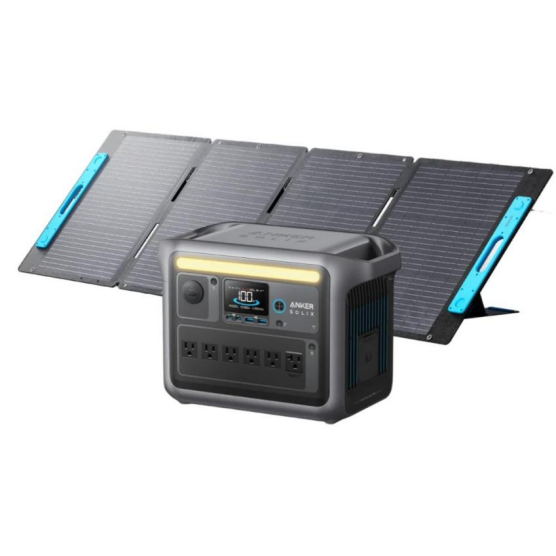
A whole home battery backup system can be a powerful investment, offering protection from outages and greater energy independence. However, many homeowners make avoidable mistakes during planning, installation, or everyday use that limit performance and long-term value. From choosing the wrong system size to overlooking smart energy management, these missteps can lead to frustration and unnecessary costs. Understanding the most common mistakes ahead of time helps ensure your battery backup delivers reliable, efficient power when you need it most.
Common Whole Home Battery Backup Mistakes and How to Avoid Them
Avoiding these common pitfalls can make the difference between a dependable backup system and one that falls short of expectations.
Choosing the Wrong System Size
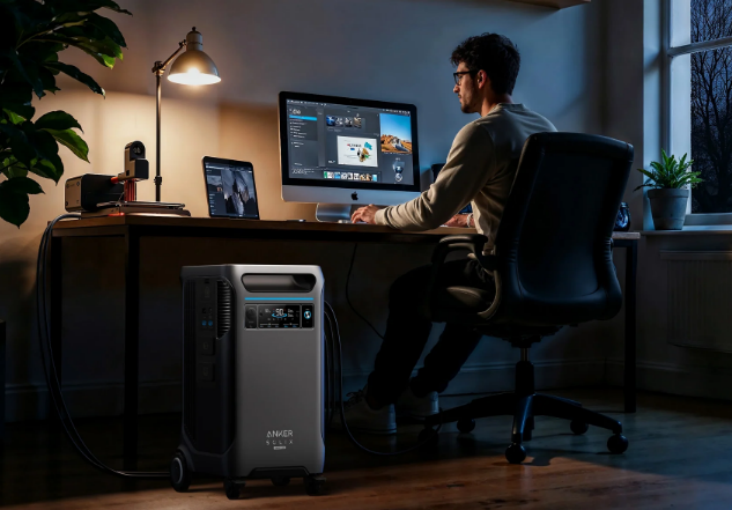
One of the most common mistakes is underestimating or overestimating battery capacity. A system that’s too small won’t support essential appliances during outages, while an oversized system may cost more than necessary. Many homeowners skip the step of reviewing their energy usage or identifying which circuits they want to back up. Proper sizing should be based on actual kilowatt-hour (kWh) consumption and appliance priorities. Expandable systems like the Anker SOLIX F3800 help reduce this risk by allowing capacity to grow over time.
Focusing Only on Capacity and Ignoring Power Output
Battery capacity determines how long power lasts, but output determines what can run. Some homeowners focus solely on kWh and overlook whether the system can handle high-demand appliances. Without sufficient continuous and surge output or 120V/240V split-phase capability, appliances like HVAC systems or well pumps may not run properly. Always evaluate both capacity and output to ensure true whole-home performance.
Not Planning for Solar Integration
Another common mistake is treating a battery backup as a standalone system without considering solar charging. Without solar input, the system will eventually run out of stored energy during extended outages. Solar-compatible systems can recharge during daylight hours, significantly extending runtime. Planning solar integration from the start, even if panels are added later, improves resilience and long-term value.
Skipping Professional Installation for Critical Components
While some battery systems are designed to be user-friendly, key components such as transfer switches or smart home power panels should be installed by qualified professionals. Improper installation can lead to safety issues, code violations, or unreliable switchover during outages. Professional installation ensures your system operates safely and performs as intended.

Ignoring Smart Energy Management Features
Modern whole home battery backup systems offer advanced monitoring and energy management tools, but some users never fully use them. Failing to prioritize loads or monitor energy usage can drain batteries faster than expected. Systems like Anker SOLIX include app-based controls that help homeowners track consumption, manage charging schedules, and optimize performance. Using these features correctly can significantly extend runtime and efficiency.
Overlooking Battery Chemistry and Lifespan
Not all batteries are built the same. Choosing a system without understanding battery chemistry can result in shorter lifespan and higher replacement costs. Lithium iron phosphate (LFP) batteries are widely preferred for whole home backup due to their safety and long cycle life. Investing in proven battery technology helps avoid premature degradation.
Neglecting Regular Testing and Maintenance
Some homeowners install a battery backup and assume it will work perfectly when needed. Without periodic testing, issues may go unnoticed until an outage occurs. Regular system checks, software updates, and test outages help ensure everything functions properly. Even low-maintenance systems benefit from occasional inspections.
Conclusion
A whole home battery backup can provide reliable, clean power, but only when it’s planned and used correctly. Common mistakes like improper sizing, ignoring output requirements, skipping solar integration, or underusing smart features can limit performance and value. By choosing scalable systems, investing in quality battery technology, and taking advantage of intelligent energy management, you can avoid these pitfalls. With thoughtful planning and solutions like Anker SOLIX whole home systems, your battery backup can deliver dependable power and long-term peace of mind.
Visited 1 times, 1 visit(s) today