
Introduction
Building a custom PC requires making several informed decisions, and the motherboard is one of the most critical components. A key feature that ensures your system’s stability and longevity is a high-quality heatsink. Heatsinks play a crucial role in cooling the motherboard, thus preventing overheating and potential damage. This guide will illuminate why having a motherboard with a heatsink is essential, and how to select the best one for your needs.
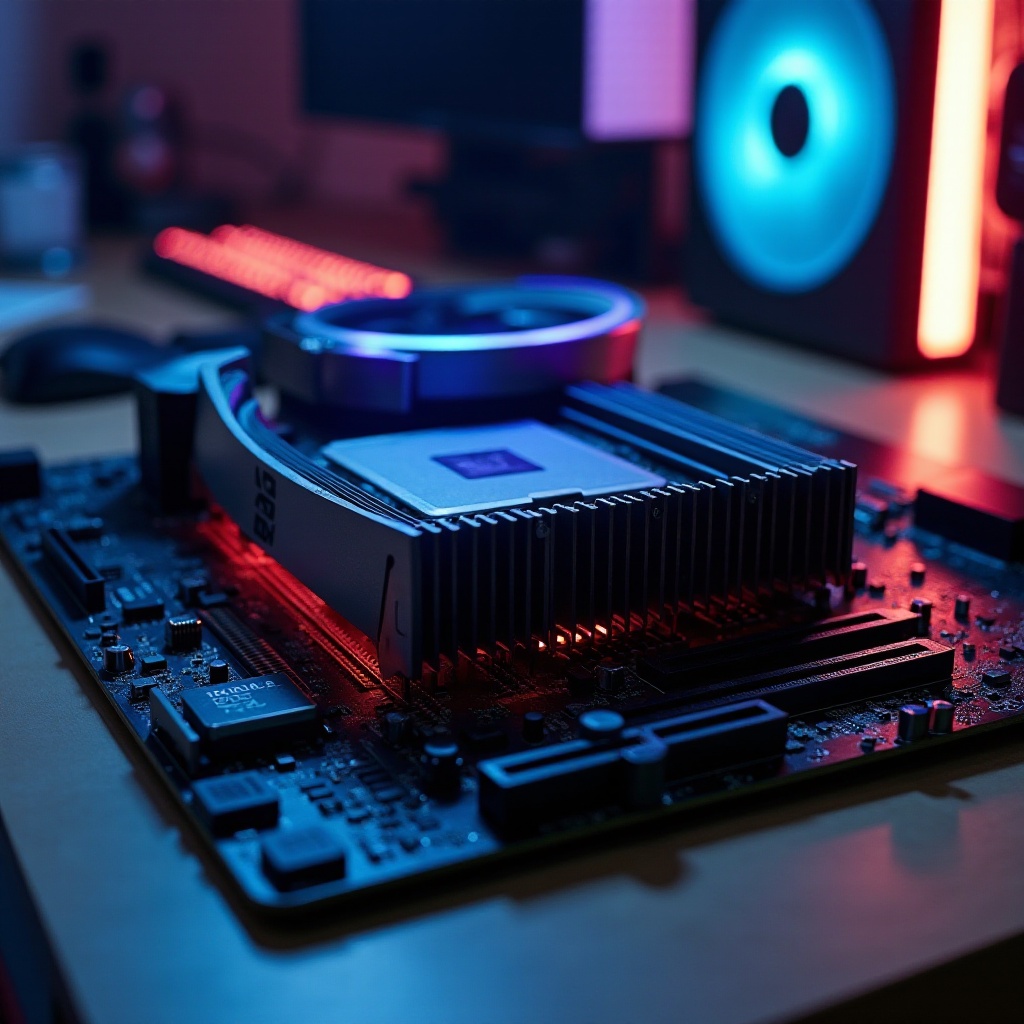
Understanding the Importance of a Heatsink in Motherboards
The motherboard serves as the central hub where all components connect and communicate. Effective thermal management is crucial for maintaining optimal performance, and this is where heatsinks come into play.
What is a Heatsink?
A heatsink is a passive mechanical device that dissipates heat from motherboard components. It’s usually made of metal, designed to efficiently transfer heat from the motherboard to the air, preventing overheating.
How Heatsinks Improve Thermal Management
Heatsinks enhance performance by effectively managing the heat output of a system. Proper thermal management ensures that your computer functions efficiently without thermal throttling or component damage.
With a fundamental understanding of heatsinks, it’s time to explore the specific features you should focus on when choosing a motherboard with a heatsink.
Key Features to Look for in a Motherboard with Heatsink
Selecting the right motherboard entails more than just picking a heatsink design. Compatibility and expandability must be considered as well.
Compatibility and Form Factor
Ensure the motherboard is compatible with your CPU and fits your PC case. Options like ATX, Micro ATX, and Mini ITX offer various features and space capacities.
Thermal Performance and Design
Focus on the heatsink’s design and efficiency. Choose motherboards with strategically placed, high-quality heatsinks that facilitate optimal heat dissipation and airflow.
Connectivity and Expansion Options
Opt for a motherboard offering sufficient RAM slots, PCIe lanes, and USB ports. Such connectivity supports future upgrades and system expandability.
With this knowledge, you are ready to explore the top motherboard with heatsink options available in 2024.
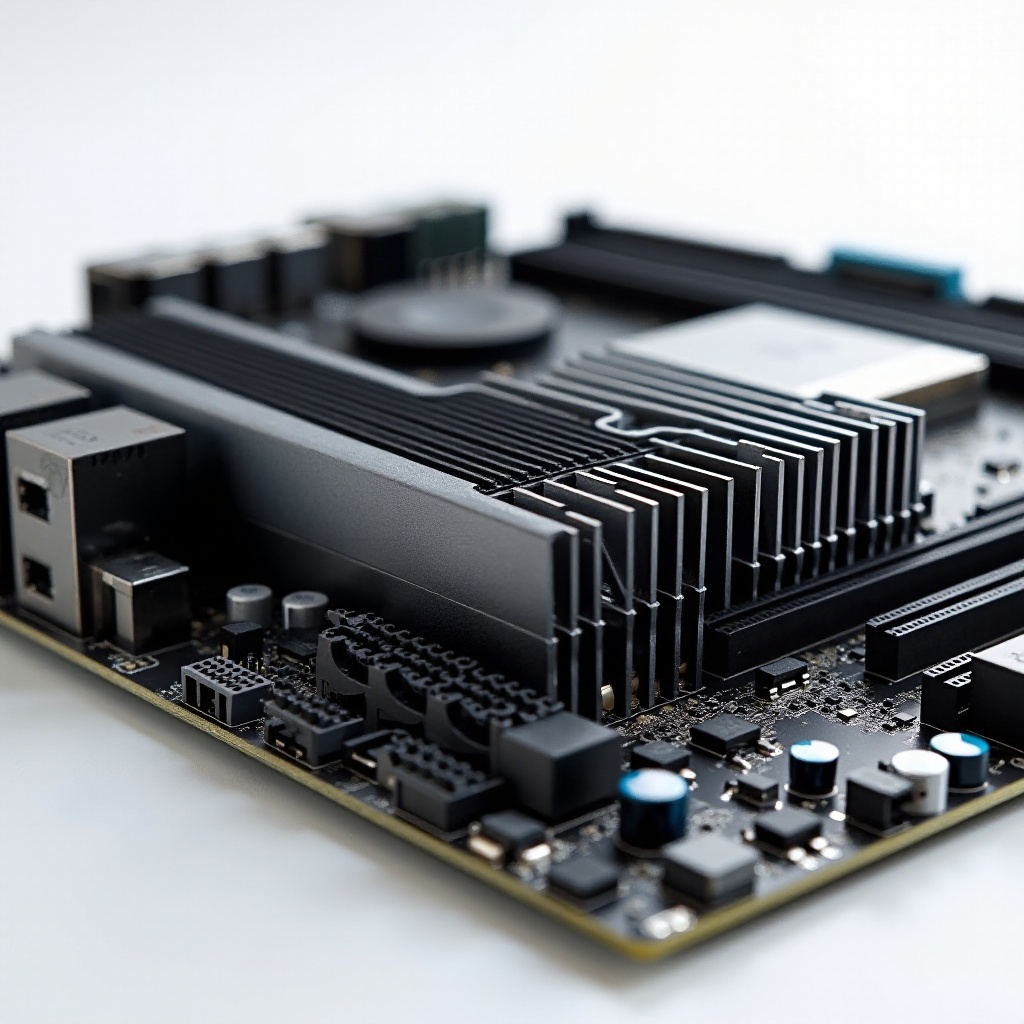
Top Motherboards with Heatsinks in 2024
The market is crowded with many motherboard options, making selection challenging. Here are some of the leading choices for 2024:
High-Performance Picks
For ultimate performance, consider options from ASUS ROG Strix and MSI MEG series, known for their superior cooling and advanced features.
Budget-Friendly Options
If budget is a concern, the Gigabyte AORUS and ASRock Pro4 models offer dependable performance with efficient cooling at a lower cost.
Reviews and Comparisons
Consult reviews and expert comparisons to understand how each motherboard meets your performance and budget needs. Pay attention to build quality and manufacturer support.
After narrowing down your options, the next step is installing your chosen motherboard. Let’s look at the process.
Installing Your Motherboard with Heatsink: Step-by-Step Guide
While installing your motherboard may seem daunting, it’s straightforward when broken down into steps.
- Preparing Your Workspace
-
Ensure your workspace is static-free and organized. Gather necessary tools, such as a screwdriver, and have your components ready.
-
Installation Process Overview
- Mount the motherboard inside the case, aligning with the standoffs. Secure it without over-tightening the screws.
-
Attach the power connectors from the power supply to the motherboard and connect other components like RAM, GPU, and drives.
-
Testing and Troubleshooting Your Setup
- Power on the system to check all components. Update BIOS if needed and verify connectivity. Consult the manual if you encounter issues.
Once installed, optimizing thermal performance will ensure your system’s longevity.
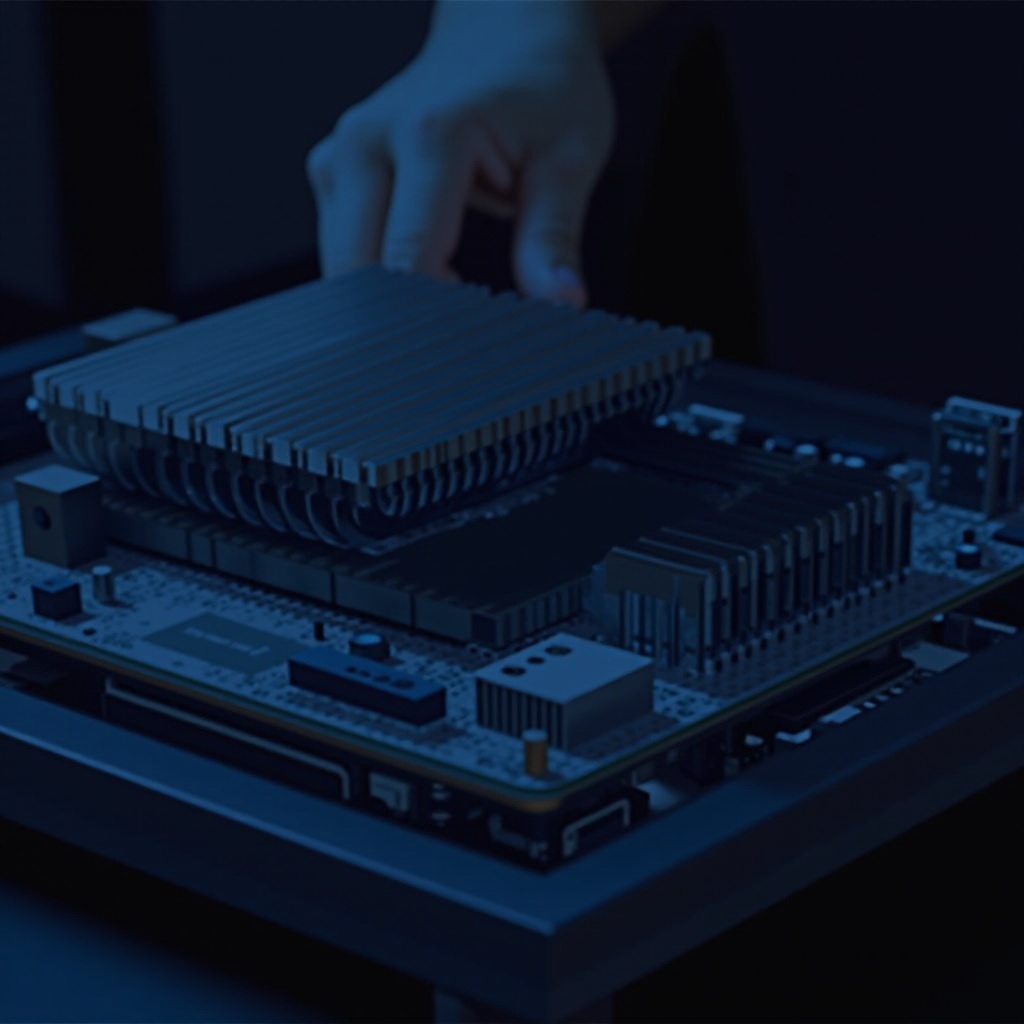
Optimizing Thermal Performance for Longevity and Efficiency
Maintaining optimal thermal performance is key to efficient operation.
BIOS Settings for Temperature Control
Adjust fan settings in the BIOS to create a more aggressive cooling profile, based on your system’s needs.
Additional Cooling Solutions
Enhance thermal performance with additional cooling options like extra fans or a liquid cooling system, especially critical if overclocking.
Armed with this knowledge, you’ve ensured your PC is both efficient and long-lasting. Let’s wrap up our insights.
Conclusion
Choosing a motherboard with a heatsink is vital for maintaining a cool and stable system. By understanding a heatsink’s role and considering essential features, you enhance your PC’s longevity and performance. With numerous options available in 2024, you can confidently choose the right motherboard that complements your specific needs.
Frequently Asked Questions
Why is a heatsink important on a motherboard?
A heatsink dissipates heat from components, preventing overheating and damage.
Can I upgrade the heatsink on my existing motherboard?
Yes, if compatible, but optimizing the entire cooling solution might be more effective.
What are the best practices for maintaining a motherboard with heatsink?
Clean dust regularly, ensure good airflow, and adjust fan curves in BIOS as needed.
